No. 01
Verbal change orders
“While you’re in there, can you also...” Three weeks later, they claim they never authorized the extra work. Seal the ask on-site or on the phone, in 60 seconds.
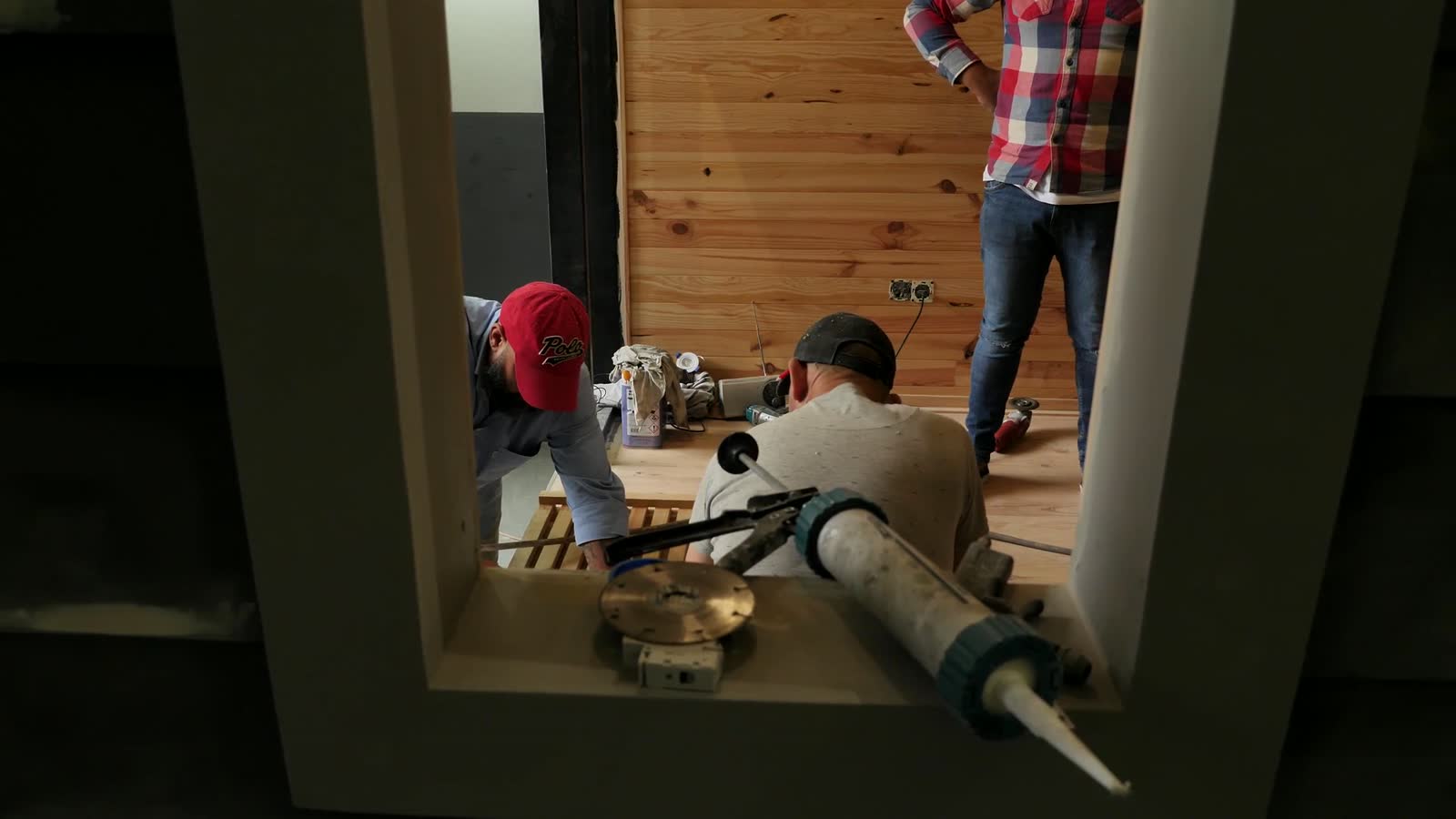
The fights at the end of a job almost always trace back to what was 'said' during the job. Pactbound seals every verbal adjustment as a sealed, identity-verified acknowledgment: tamper-evident, verifiable by anyone, so the punch-list walk-through isn't where the job goes sideways.
Where jobs go sideways
“While you’re in there, can you also...” Three weeks later, they claim they never authorized the extra work. Seal the ask on-site or on the phone, in 60 seconds.
The contract said “upgrade electrical.” They thought that included rewiring the garage. You didn’t. Seal each clarification as it happens.
Final walk-through. “This wasn’t finished.” Except it was, and they signed off in week 4. Sealed sign-offs settle it fast.
City inspector finds an issue the homeowner was warned about. Without documentation, the contractor eats the fix. With Pactbound, the original disclosure is sealed and verifiable.
A real contractor dispute
Ray had been remodeling a kitchen in suburban Columbus for six weeks when the homeowner asked him to open the wall behind the range to check for moisture damage. Standing in the kitchen, Ray described the extra work (two days of demo, moisture remediation if needed, and repair) and the homeowner said to go ahead.
Four weeks later, the invoice came back with the change order line item disputed. The homeowner said she had never agreed to opening any walls. Ray had sealed the verbal approval from the job site using Pactbound: a two-sentence description of the change and the price, sent as a link she acknowledged with a one-time code the same afternoon.
The acknowledgment had a timestamp, her verified email, and Ray's description of the scope. There was nothing to dispute.
Ray got paid in full. He now seals every verbal change order on-site, the day it happens. The client gets a record too, which, he says, actually makes most clients more comfortable, not less.

Verbal change orders are where the back-end fights start. Sixty seconds on the phone or on-site turns a he-said-she-said into a signed, timestamped record the client already acknowledged.
What you seal
Free, no account
Closing out a job this week? The receipt generator prints the punch-list walk-through as something the homeowner signs, item by item, and makes you pick whether they are confirming they got it or accepting it as done.
Scope, systems and access, disclosed issues with a severity on each, in-flight work and contacts. Seven sections, filled in, out as a PDF.
Open the generatorNames every item and disclosure, and makes you say whether the signer is confirming receipt, review or acceptance. Those are three different promises.
Open the generatorBoth run entirely in your browser. Nothing you type is uploaded, and neither one proves the other side received it. That part is what the paid product is for.
Where the receipt does the work
Identity-verified acknowledgments with an external timestamp are the kind of contemporaneous record a judge or arbitrator accepts: not screenshots reconstructed after the fact.
Export a bundle as PDF and drop it straight into a Stripe, PayPal, or Square dispute: proof of delivery and proof of acceptance in one file.
The receipt is anchored on a public ledger and verifiable with an open-source script. It holds up years later, with or without Pactbound.
Common questions
Before your next bid